
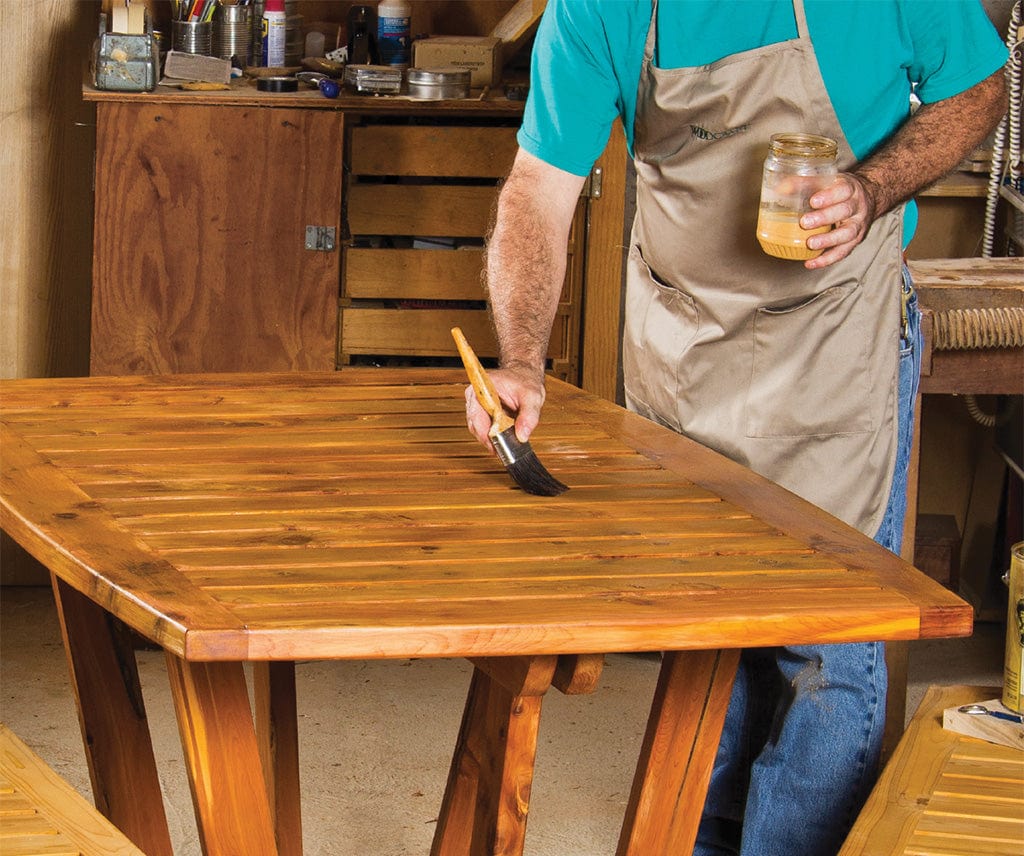
You have spent weeks selecting the perfect festool colombia hardwood, meticulously cutting flawless joinery, and sanding the surfaces to a glass-smooth finish. The project is fully assembled, and it is finally time for the final step: applying the protective finish.
Choosing the wrong finish can instantly ruin an otherwise magnificent piece of furniture. A poor coating can obscure exquisite grain patterns, feel plastic and artificial to the touch, or fail to protect against daily wear, moisture, and UV damage. Understanding the characteristics, application methods, and ideal use cases for major wood finishes is essential for every professional woodworker.
Let us explore the core differences between natural oils, lacquers, and polyurethanes to help you choose the right finish for your next build.
1. Penetrating Oils and Hard-Wax Oils: The Natural Touch
If your goal is to highlight the natural tactile texture and rich chatoyancy of wood grain without placing a thick plastic film on top, penetrating oils and modern hard-wax oils are the gold standard.
- How They Work: Unlike surface coatings that sit on top of the wood, penetrating oils soak deep down into the wood fibers, curing to harden and protect from within.
- Pros and Cons: They produce a warm, natural matte or satin finish that feels like real wood. If the surface gets scratched or water-damaged years later, you can easily sand down a localized spot and reapply oil without refinishing the entire piece. However, they offer less heavy-duty chemical and waterproof protection compared to synthetic films.
- Best Uses: High-end dining tables, coffee tables, wall art, and interior architectural millwork where organic touch and easy field repair are prioritized.
2. Polyurethane: The King of Durability and Protection
When you are building furniture that will face heavy abuse, moisture exposure, or high-traffic commercial use, polyurethane is the traditional heavy-duty workhorse.
- How They Work: Polyurethane is a tough synthetic resin film that forms a protective, impermeable barrier over the surface of the wood. It is available in both oil-based (which adds an amber warmth and cures slowly) and water-based (which dries crystal clear with virtually zero odor and fast recoat times) formulations.
- Pros and Cons: It offers exceptional resistance to water, scratches, heat rings, and household cleaners. The downside is that thick film layers can sometimes feel plastic-like, and repairing a deep scratch requires sanding back the entire surface coat rather than a simple spot fix.
- Best Uses: Kitchen cabinetry, children’s furniture, desktops, bar tops, and flooring.
3. Lacquer: The Professional Cabinetmaker’s Choice
For professional production shops and custom cabinet builders where drying speed and flawless spray application are paramount, nitrocellulose or pre-catalyzed lacquer is the industry favorite.
- How They Work: Lacquer is a fast-drying solvent-based finish that hardens as the solvent evaporates. Because subsequent coats melt slightly into the previous layer, it forms a unified, seamless film without requiring sanding between every single coat.
- Pros and Cons: It dries in minutes, allowing shops to apply multiple coats and complete finishing schedules in a single day. It buffs out to a gorgeous satin or high-gloss sheen. However, it requires proper spray equipment and dedicated ventilation due to strong fumes, and it is less resistant to strong solvents like alcohol.
- Best Uses: Custom built-in cabinetry, high-end entertainment centers, bedroom furniture, and interior architectural trim.
Conclusion
Choosing the right wood finish is a balancing act between aesthetics, tactile feel, and durability. Whether you opt for the organic look of a hard-wax oil, the rugged protection of polyurethane, or the rapid production speed of professional lacquer, matching the finish to the practical demands of the furniture ensures your craftsmanship stands the test of time.