
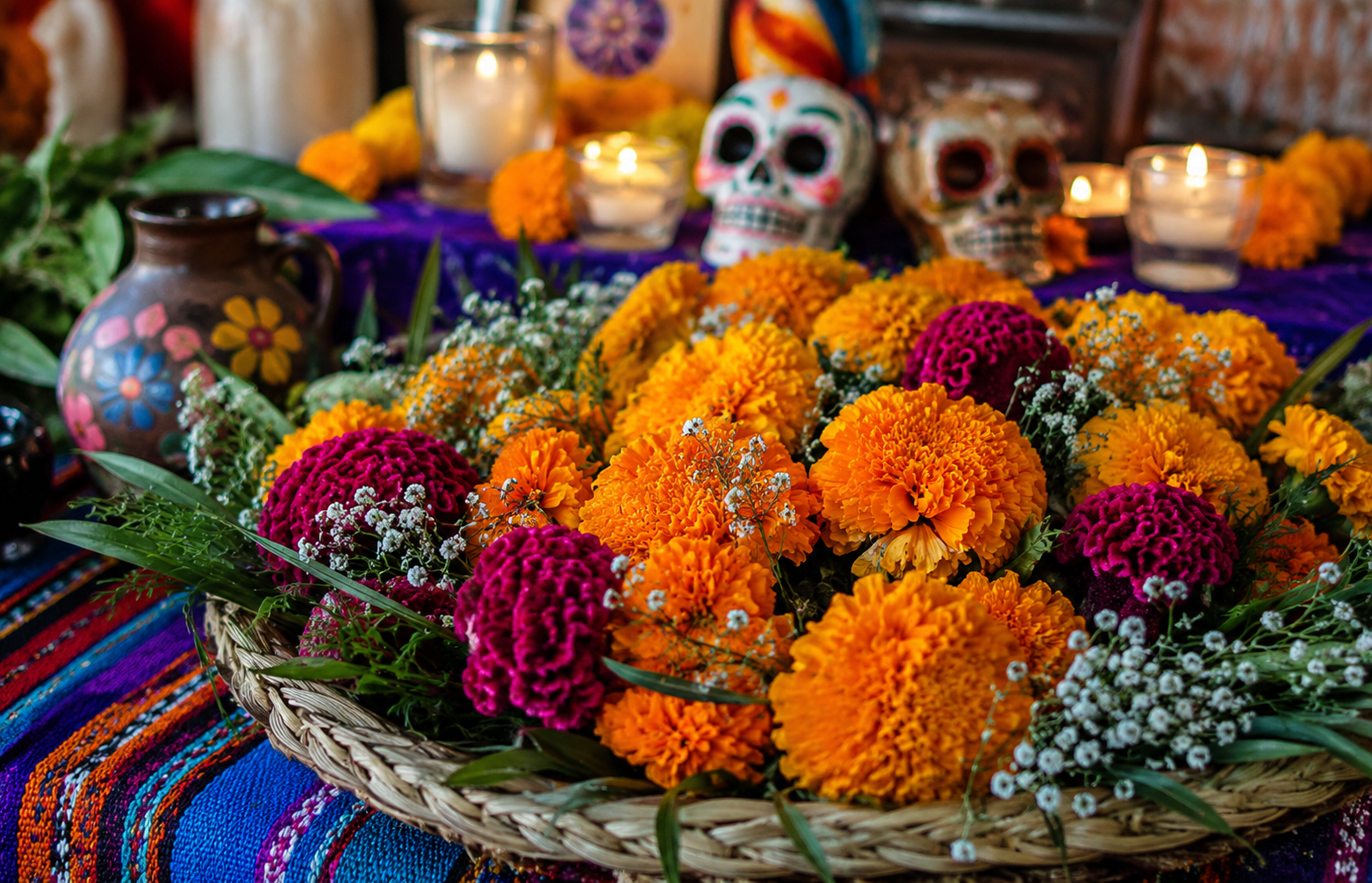
Flowers play a huge role in Mexican celebrations. From quiet family gatherings to citywide festivals, blooms show up everywhere, filling streets, altars, and homes with color. Mexican flowers are not just decoration at these events. They carry meaning, mark traditions, and connect people to generations that came before them.
This post looks at some of the most traditional blooms used in Mexican festivals. We will cover where each flower fits in, what it symbolizes, and why it still matters today.
Why Flowers Matter So Much in Mexican Festivals
Flowers have been part of Mexican celebrations since long before modern times. Ancient communities used blooms in ceremonies, offerings, and public gatherings. That tradition never really stopped. Today, flowers still show up at weddings, holidays, and religious events across the country.
Part of the reason flowers hold such a strong place is symbolism. Each bloom tends to carry its own meaning, whether that is remembrance, celebration, or renewal. This is why Mexican flowers feel like more than a nice touch at an event. They add a layer of meaning that guests often understand without needing an explanation.
Marigolds and Día de los Muertos
No festival flower is more iconic than the marigold. Known locally as «cempasúchil,» this bloom is central to Día de los Muertos, or Day of the Dead. Families use its bright orange petals to build paths leading to home altars, known as ofrendas.
The idea is simple. The color and strong scent of the marigold are believed to guide spirits back to visit their loved ones for a short time each year. Homes and cemeteries fill with marigolds during this time, turning entire neighborhoods into a wash of orange.
Outside of this festival, marigolds are also common at smaller family gatherings throughout the fall, since they bloom easily during that season and hold up well in warm weather.
Poinsettias and Christmas Celebrations
The poinsettia, called «flor de nochebuena» in Mexico, is deeply tied to Christmas traditions. Its name translates to «Christmas Eve flower,» and it shows up in homes, churches, and public spaces throughout December.
This native bloom stands for celebration and new beginnings, which fits well with the holiday season. Its bright red leaves add color to a time of year that can otherwise feel quiet and cold in many regions.
Many families also give poinsettias as gifts during the holidays, making it one of the most widely shared Mexican flowers each winter.
Dahlias at Weddings and Special Occasions
The dahlia, Mexico’s official national flower, shows up often at weddings and other formal celebrations. Its bold, layered blooms come in nearly every color, making it easy to match any event’s theme.
Dahlias represent strength and staying true to yourself. This meaning makes them a popular choice for milestone events like weddings, anniversaries, and graduations, where the sentiment fits naturally.
Because dahlias come in so many shapes and sizes, florists often use them as the centerpiece in bouquets and table arrangements, pairing them with greenery to let the bold blooms stand out.
Bougainvillea at Outdoor Gatherings
Bougainvillea rarely appears in cut flower arrangements, but it plays a huge role in festival settings. Its bright petals often decorate outdoor spaces, courtyards, and archways during celebrations. Towns across Mexico use bougainvillea to line streets and walls during public festivals, adding a natural burst of color to the scenery.
This plant is often linked to passion and warmth, which suits its role in lively, high-energy events. Since it thrives in heat, it holds up well outdoors even during long festival days.
Frangipani in Ceremonies and Offerings
Frangipani, also called plumeria, shows up in smaller, more personal ceremonies. Its soft scent and gentle petals are often used in offerings or worn as simple decoration during celebrations. This bloom is linked to new beginnings, making it a fitting choice for events centered on fresh starts, like baptisms or new home blessings.
Because the flowers hold their shape and scent well after being cut, frangipani is also popular in floating displays and small floral arrangements during outdoor events.
Bringing Festival Traditions Into Everyday Life
You do not need a festival to enjoy these traditional blooms. Many Mexican flowers grow well in home gardens and can bring a bit of that festive spirit into daily life. Marigolds and bougainvillea are simple starting points for anyone new to gardening.
At yourhomify, our community often shares easy ways to grow native, festival-linked flowers right at home, even in small spaces.
Growing a few of these blooms at home also means you always have flowers on hand when a celebration comes around, whether that is a family gathering or a national holiday.
Conclusion
Traditional Mexican flowers do far more than decorate a festival. Each bloom carries a role shaped by generations of custom, from guiding spirits home with marigolds to marking new beginnings with frangipani. These flowers connect celebration to meaning, turning simple color into something that feels personal and rooted in history.
Whether you experience these blooms at a large public festival or grow a few yourself at home, you are taking part in a tradition that has lasted for centuries. Mexican flowers carry stories worth knowing, and understanding those stories makes every celebration feel a little richer. The next time you see a wash of marigolds or a bright red poinsettia, you will know there is far more behind it than just color.
FAQs About Mexican Flowers
1. Which Mexican flower is most linked to festivals?
The marigold is the most iconic, especially for its central role in Día de los Muertos.
2. What flower represents Christmas in Mexico?
The poinsettia, or flor de nochebuena, is closely tied to Christmas celebrations across the country.
3. Why are dahlias popular at weddings?
Dahlias symbolize strength and come in many colors, making them a flexible choice for formal events.
4. Can I grow festival flowers at home?
Yes. Marigolds, bougainvillea, and frangipani all grow well in home gardens with basic care.
5. Do these flowers only appear during festivals?
No. Many bloom naturally throughout their growing season and are common in everyday gardens too.