
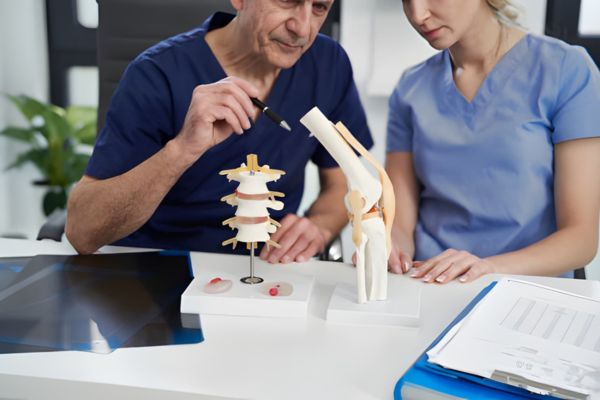
Regenerative care can involve more than one clinical question. A patient may need medical evaluation, orthopedic insight, movement assessment, and continuing rehabilitation support. A multidisciplinary regenerative medicine team brings these perspectives into one care framework. Each professional examines a different part of the patient’s condition and recovery needs.
Collaboration does not guarantee better outcomes. However, it may improve communication, identify conflicting priorities, and reduce gaps between separate stages of care. The strongest teams define professional responsibilities clearly. Patients should understand who evaluates their condition, recommends care, monitors concerns, and guides physical recovery.
How a Regenerative Medicine Team Works Together
The care team may include physicians, orthopedic specialists, rehabilitation professionals, and support staff. Their roles should reflect education, licensing, and clinical scope. Teamwork begins when relevant information moves between professionals. Medical history, diagnostic findings, movement limitations, and personal goals can shape different parts of the plan.
The regenerative medicine clinic Medellin service page presents knee, joint, back, and healthy-aging care. Stem Cell Medellin also describes consultation, diagnostics, and rehabilitation within its care pathway. This model shows how several clinical functions can connect. Individual suitability still depends on qualified assessment rather than team size alone.
Clinical Collaboration and Coordinated Care
Effective clinical collaboration requires more than several names on a staff page. Professionals must share useful information and understand how their decisions affect other disciplines. Within a regenerative medicine team, coordinated care may help connect diagnosis, treatment planning, and functional support. This connection matters when symptoms affect both health and movement.
For example, a physician may identify medical precautions that influence rehabilitation. A therapist may then report movement findings that deserve further clinical review. Communication should follow defined processes. Informal assumptions can create confusion about restrictions, follow-up duties, or changes in symptoms. Patients benefit when recommendations align. Conflicting instructions should trigger clarification before the plan continues.
Different Specialists See Different Parts of the Problem
Pain may reflect structural changes, inflammation, movement patterns, previous injuries, or overlapping factors. No single observation explains every case. A regenerative medicine team can examine the condition through different professional lenses. Physicians consider medical suitability, while orthopedic specialists may assess musculoskeletal structure and function.
Rehabilitation professionals examine mobility, strength, balance, and activity tolerance. Their findings may add practical context to diagnostic information. This multidisciplinary care model does not mean every patient needs every specialist. The condition should determine which expertise becomes relevant. Unnecessary consultations can add complexity without clinical value. A responsible team involves each professional for a clear reason.
Shared Information Supports Individual Planning
Individualized care depends on the quality of information available. Incomplete records or unclear responsibilities can weaken otherwise careful planning. A regenerative medicine team may review imaging, medication details, previous care, current symptoms, and functional limitations. Each discipline can interpret relevant details within its scope.
Shared information supports personalized treatment planning without creating a standard package. The team can adjust recommendations when new findings change the clinical picture. Patients should know how professionals document and communicate important updates. They should also understand who makes the final medical decision. Clear documentation supports continuity. It does not remove uncertainty or predict how an individual will respond.
Rehabilitation Connects Care With Daily Function
Medical decisions occur in clinical settings, but recovery affects ordinary movement. Walking, working, exercising, and household tasks may reveal limitations that reports miss. The rehabilitation role within a regenerative medicine team focuses on these functional demands. Assessment may consider mobility, strength, posture, pain behavior, and activity goals.
At Stem Cell Medellin, Sebastian Botero works in physical therapy, pain care, and musculoskeletal recovery. His profile describes more than 22 years of clinical experience.
The clinic lists sports recovery, laser therapy, functional movement, and individualized rehabilitation among its professional areas. These details clarify his role without promising results. His involvement illustrates how rehabilitation support can connect medical planning with physical function.
Medical Leadership Keeps Responsibilities Clear
Multidisciplinary care still requires defined medical leadership. A larger group should not make clinical responsibility difficult to identify. The regenerative medicine team should explain who conducts medical evaluation, determines suitability, and addresses clinical risks. Other professionals should work within their respective scopes.
Clear leadership also supports informed consent. Patients need one understandable explanation of the proposed care, uncertainties, limitations, and alternatives. Professional disagreement can occur. When it does, the team should resolve it through evidence and direct communication before advising the patient. This structure supports patient safety without suggesting that collaboration removes every medical risk.
International Patients Need Connected Communication
Travel adds distance between patients and their usual healthcare professionals. Records, imaging, medication details, and previous recommendations may come from several sources. A regenerative medicine team can organize this information before the patient arrives. Early review may identify missing documents or questions requiring medical clarification.
Bilingual support can reduce misunderstandings, but clinical explanations should still come from the appropriate professional. Administrative guidance cannot replace medical advice. Before returning home, patients should understand follow-up responsibilities. Coordination with a local physician or therapist may support continued care. International communication needs structure. Patients should know whom to contact for medical concerns, rehabilitation questions, and scheduling matters.
Collaboration Should Remain Patient-Centered
A regenerative medicine team adds value through shared information, professional boundaries, and attention to individual needs. Team size alone proves little. Patients should receive consistent explanations and know who is responsible for each decision. They should never face guarantees, fixed recovery timelines, or pressure to proceed.
Stem Cell Medellin presents medical, orthopedic, and rehabilitation expertise within one care setting. Individuals can review how these roles connect before discussing their own needs. An effective team turns separate observations into a clearer clinical picture. That coordination can support informed conversations throughout the regenerative care journey.