
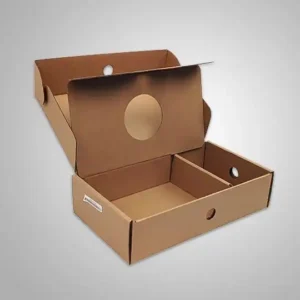
Packaging has become an important part of product presentation. Customers often notice the packaging before they interact with the product inside, which means the box itself can influence how a brand and its products are perceived.
Custom Delta boxes offer a distinctive packaging structure that can be customized according to product dimensions, branding requirements, and presentation goals. When combined with premium materials, high-quality printing, and carefully selected finishing techniques, Delta boxes can create a polished and professional appearance.
Creating premium packaging is not simply about adding expensive finishes. The structure, material, artwork, functionality, and finishing techniques all need to work together. A well-designed Delta box should look attractive while also protecting the product and providing a convenient customer experience.
What Are Custom Delta Boxes?
Custom Delta boxes are specially designed packaging boxes featuring a distinctive folding structure. Their unique shape can provide an interesting alternative to conventional folding cartons and standard box styles.
Businesses can customize Delta boxes according to:
- Product dimensions
- Box structure
- Material thickness
- Printing
- Brand colors
- Logo placement
- Interior inserts
- Finishing
- Opening style
This flexibility makes Delta-style packaging suitable for various retail and promotional applications.
Why Choose Custom Delta Boxes?
Delta boxes can provide several advantages over basic packaging formats.
Distinctive Appearance
The unique structure immediately gives the package a different visual character. This can help products look more interesting when displayed alongside conventional cartons.
Practical Structure
The folding construction can provide a balance between presentation and functionality. Depending on the design, the box can be shipped flat and assembled when needed.
Branding Opportunities
The available panels provide multiple surfaces for logos, product information, graphics, patterns, and other brand elements.
Better Shelf Presence
A distinctive package can help attract attention when competing products are displayed together.
Start With the Product Dimensions
The first step in creating custom Delta boxes is understanding the product that will go inside.
Measure the product’s:
- Length
- Width
- Height
- Weight
- Fragile components
- Required accessories
Do not design the box based only on approximate measurements. Even a small dimensional difference can affect how the product fits inside the package.
The box should provide enough room for the product and any protective inserts without becoming unnecessarily oversized.
Select the Right Material
Material selection has a major impact on both appearance and performance.
Paperboard
Paperboard can provide a smooth surface for detailed printing and is suitable for many lightweight retail products.
Kraft Board
Kraft board creates a natural appearance and may be suitable for brands that prefer a simple or earthy packaging style.
Corrugated Board
Corrugated material provides additional structural strength and may be useful when the package needs more protection during transportation.
Rigid Materials
Rigid board can create a more substantial and premium feel. It may be appropriate for luxury products or presentation-focused packaging.
The appropriate material depends on the product, box structure, shipping requirements, desired appearance, and budget.
Create a Strong Packaging Structure
A premium finish cannot compensate for a poorly designed box.
Before focusing on colors and decorative elements, make sure the Delta box structure works correctly.
Consider:
- Folding points
- Closure mechanism
- Panel dimensions
- Product fit
- Structural stability
- Ease of assembly
- Opening experience
A prototype is particularly useful at this stage. It allows businesses to identify structural issues before moving to final artwork and mass production.
Develop a Professional Design
Once the structure has been finalized, the visual design can be developed.
A premium Delta box should have a clear visual hierarchy. Customers should immediately understand the brand and product without being overwhelmed by excessive graphics.
Important design elements may include:
- Brand logo
- Product name
- Brand colors
- Supporting graphics
- Product information
- Typography
- Decorative patterns
Simple, balanced designs can often create a more premium appearance than overly complicated artwork.
Choose a Sophisticated Color Palette
Color selection can dramatically influence the appearance of custom Delta boxes.
Luxury brands often benefit from restrained color palettes, while modern or creative brands may use stronger contrasts.
Possible approaches include:
Neutral Colors
White, cream, beige, gray, and other neutral tones can create a clean and sophisticated appearance.
Dark Colors
Black, deep gray, navy, or other darker shades can provide a bold visual foundation for premium packaging.
Metallic Accents
Gold, silver, copper, or other metallic details can be used selectively to draw attention to logos and important design elements.
Brand-Specific Colors
Using established brand colors can improve recognition and maintain consistency across packaging and marketing materials.
Use High-Quality Printing
Printing quality has a direct effect on the final appearance of a premium package.
Blurry graphics, inconsistent colors, or poorly positioned text can make even an expensive box look unprofessional.
Businesses should ensure that artwork is prepared at an appropriate resolution and that the selected printing method works well with the chosen material.
Common printing options may include digital and offset printing.
For brands with strict color requirements, color matching should also be considered.
Add Foil Stamping for a Luxury Effect
Foil stamping is one of the most popular finishing options for premium packaging.
Metallic foil can be applied to selected areas such as:
- Logos
- Product names
- Borders
- Patterns
- Small decorative elements
Gold and silver are common choices, but other foil shades can also be considered.
The key is moderation. Using foil on every surface can reduce the visual impact. Applying it selectively often creates a more sophisticated result.
Use Embossing to Add Texture
Embossing raises selected areas of the packaging surface.
It can be used for logos, typography, patterns, or other design elements.
The raised surface creates a tactile experience, allowing customers to physically feel parts of the design.
When combined with foil stamping, embossing can create a particularly distinctive premium effect.
Consider Debossing for a Subtle Finish
Debossing creates an impression that is pressed into the material rather than raised.
This technique can provide a subtle and sophisticated appearance, especially when used with minimalist packaging designs.
Debossed logos or patterns can communicate quality without making the design visually busy.
Use Spot UV for Contrast
Spot UV applies a glossy coating to specific areas of the package.
For example, a logo can receive a glossy treatment while the rest of the package uses a matte finish.
This creates visual and tactile contrast.
Spot UV can be particularly effective when the design relies on subtle details rather than bright graphics.
Matte and Gloss Finishes
Surface coatings can significantly change how a Delta box looks and feels.
Matte Finish
Matte coatings create a soft, non-reflective appearance. They often work well with minimalist and luxury packaging.
Gloss Finish
Gloss coatings create a reflective surface and can make colors and graphics appear more vibrant.
Soft-Touch Finish
A soft-touch coating can provide a smooth, tactile feel that contributes to a premium customer experience.
The appropriate finish depends on the desired brand image and the material being used.
Add Custom Inserts
Premium packaging should also provide a good interior experience.
Custom inserts can hold products securely and prevent unnecessary movement inside the box.
Possible insert materials include:
- Paperboard
- Molded pulp
- Foam
- Cardboard
- Fabric-lined materials
The insert should be designed according to the product’s shape and protection requirements.
A well-fitted insert can make the package feel more organized when the customer opens it.
Pay Attention to the Interior
The outside of the box is not the only area that matters.
Printing or finishing the interior can make the opening experience more memorable.
Brands can use the inside panels for:
- Brand messages
- Instructions
- Patterns
- Thank-you messages
- Product information
- Decorative artwork
Even a simple interior design can make the packaging feel more carefully considered.
Create a Memorable Unboxing Experience
Premium packaging should be designed around the entire customer journey.
Think about what happens when the customer:
- Receives the package
- Sees the exterior
- Opens the box
- Removes the product
- Discovers the interior details
Each stage can contribute to the overall perception of the brand.
A well-designed Delta box can make this experience feel organized and intentional.
Keep the Design Consistent With the Brand
The packaging should look like part of the brand rather than a separate design project.
Use visual elements that are consistent with:
- Website design
- Logo
- Social media
- Product labels
- Advertising
- Retail displays
Consistent branding can make products easier for customers to recognize across different channels.
Consider Sustainable Materials
Premium packaging does not necessarily need excessive materials.
Brands can explore recyclable paper-based materials, responsibly sourced boards, right-sized structures, and designs that avoid unnecessary components.
A simple package made from an appropriate recyclable material can still have a premium appearance through high-quality printing and carefully selected finishing techniques.
Sustainability claims should always accurately represent the actual material and disposal or recycling options available.
Custom Delta Boxes for Different Products
Delta boxes can be adapted to different product categories depending on their size and structural requirements.
Cosmetics
Cosmetic products can benefit from visually refined packaging with custom inserts and premium finishes.
Gifts
Gift products can use decorative artwork, foil details, and elegant colors to create a more special presentation.
Retail Products
Retail brands can use Delta boxes to create distinctive shelf packaging while maintaining consistent branding.
Promotional Products
Businesses can customize Delta boxes for promotional campaigns, events, and branded merchandise.
Small Accessories
Smaller products can benefit from compact Delta structures designed around their dimensions.
Common Mistakes to Avoid
Adding Too Many Finishes
Combining foil, embossing, spot UV, gloss, and multiple coatings can make the design look excessive.
Choose finishes that support the overall design.
Ignoring the Product Fit
A beautiful box that does not hold the product securely is not an effective packaging solution.
Using Poor-Quality Artwork
Low-resolution graphics can reduce the perceived quality of the package.
Making the Design Too Complicated
Premium packaging often benefits from simplicity and visual balance.
Skipping the Prototype
A physical sample can reveal structural and finishing problems that may not be obvious on a computer screen.
How to Create a Premium Delta Box Step by Step
The design process can be organized into a straightforward sequence:
Step 1: Define the Product Requirements
Measure the product and determine its protection and storage needs.
Step 2: Select the Box Dimensions
Create dimensions that provide an appropriate fit without unnecessary empty space.
Step 3: Choose the Material
Select paperboard, kraft, corrugated, rigid board, or another suitable material based on performance requirements.
Step 4: Finalize the Structure
Confirm folding points, closure, panels, and assembly requirements.
Step 5: Develop the Artwork
Create the logo placement, typography, colors, graphics, and product information.
Step 6: Select Premium Finishes
Choose finishes such as foil, embossing, debossing, matte, gloss, or spot UV based on the desired appearance.
Step 7: Add Interior Features
Consider inserts, compartments, and interior printing where appropriate.
Step 8: Create a Prototype
Produce a physical sample and evaluate its appearance, structure, and functionality.
Step 9: Test the Packaging
Check whether the box protects the product and performs properly during handling.
Step 10: Begin Production
Once the sample has been approved, move forward with the final production order.
Benefits of Premium Custom Delta Boxes
A professionally designed Delta box can provide several advantages:
- Distinctive product presentation
- Stronger brand recognition
- Better shelf visibility
- Improved product protection
- More organized interiors
- Memorable unboxing experiences
- Flexible branding opportunities
- Premium tactile experiences
- Custom product-specific dimensions
- Better alignment with luxury or upscale branding
Frequently Asked Questions
What are custom Delta boxes?
Custom Delta boxes are specially designed folding packages with a distinctive structure that can be customized according to product dimensions, branding, printing, and presentation requirements.
How can I make a Delta box look premium?
High-quality materials, clean artwork, consistent branding, and carefully selected finishes such as foil stamping, embossing, debossing, spot UV, matte, or soft-touch coatings can create a premium appearance.
Which finish is best for Delta boxes?
There is no single best finish. The right option depends on the brand style and desired appearance. Matte, foil, embossing, debossing, and spot UV can all work effectively when used appropriately.
Can Delta boxes include custom inserts?
Yes. Custom inserts can be designed to hold products securely and improve interior organization.
Should I create a prototype before production?
Yes. A prototype can help identify issues with dimensions, folding, closure, product fit, printing, and finishing before a larger production run.
Are Delta boxes suitable for luxury products?
They can be. With appropriate materials, structure, artwork, and finishing, Delta boxes can create a refined presentation for premium products.
Can custom Delta boxes be environmentally responsible?
Yes. Businesses can explore recyclable paper-based materials, right-sized packaging, and designs that reduce unnecessary material use.
Conclusion
Creating custom Delta boxes with a premium finish requires more than choosing an attractive color or adding a metallic effect. The best results come from combining an appropriate structure with the right material, professional artwork, quality printing, functional inserts, and carefully selected finishing techniques.
A strong Delta box should protect the product while also creating a polished presentation. Matte coatings, foil stamping, embossing, debossing, spot UV, and other finishing options can add visual and tactile interest when used with restraint.
By starting with accurate product dimensions, testing the structure, maintaining consistent branding, and producing a physical prototype before mass production, businesses can develop Delta packaging that looks premium and performs effectively throughout the customer experience.